Quick answer (2026): This aquarium pre-filter comparison evaluates canister-only, sponge, and magnetic pre-filter setups based on an eight-week clog test. The magnetic setup required the shortest routine cleaning time, while the sponge option had the lowest upfront cost. The right choice depends on your tank’s waste load, intake size, and preferred maintenance routine.
| 2026 Setup | Cleaning Time | Flow Restriction | Hands in Tank |
|---|---|---|---|
|
Magnetic Pre-Filter
(winner) View details → | 3 seconds | Zero | No |
| Inline Sponge Canister | 15 min | High | Yes |
| Canister only (no pre-filter) | 45+ min | High when clogged | Yes |
⚡ Already know your hose size? Skip the read:
30-day returns · Ships from US in 24-48h · Lifetime install support
Repeated clogging and weak flow are often caused by solid waste accumulating before water reaches the main filter. Replacing the canister may increase capacity, but it does not necessarily solve the intake-side maintenance problem.
To find out which approach works best for messy aquariums, we compared three common setups: a canister filter without a pre-filter, a traditional sponge pre-filter, and a magnetic pre-filter designed for quick waste removal.
This aquarium pre-filter comparison tests canister, sponge, and magnetic systems under the same heavy-bioload conditions for eight weeks.
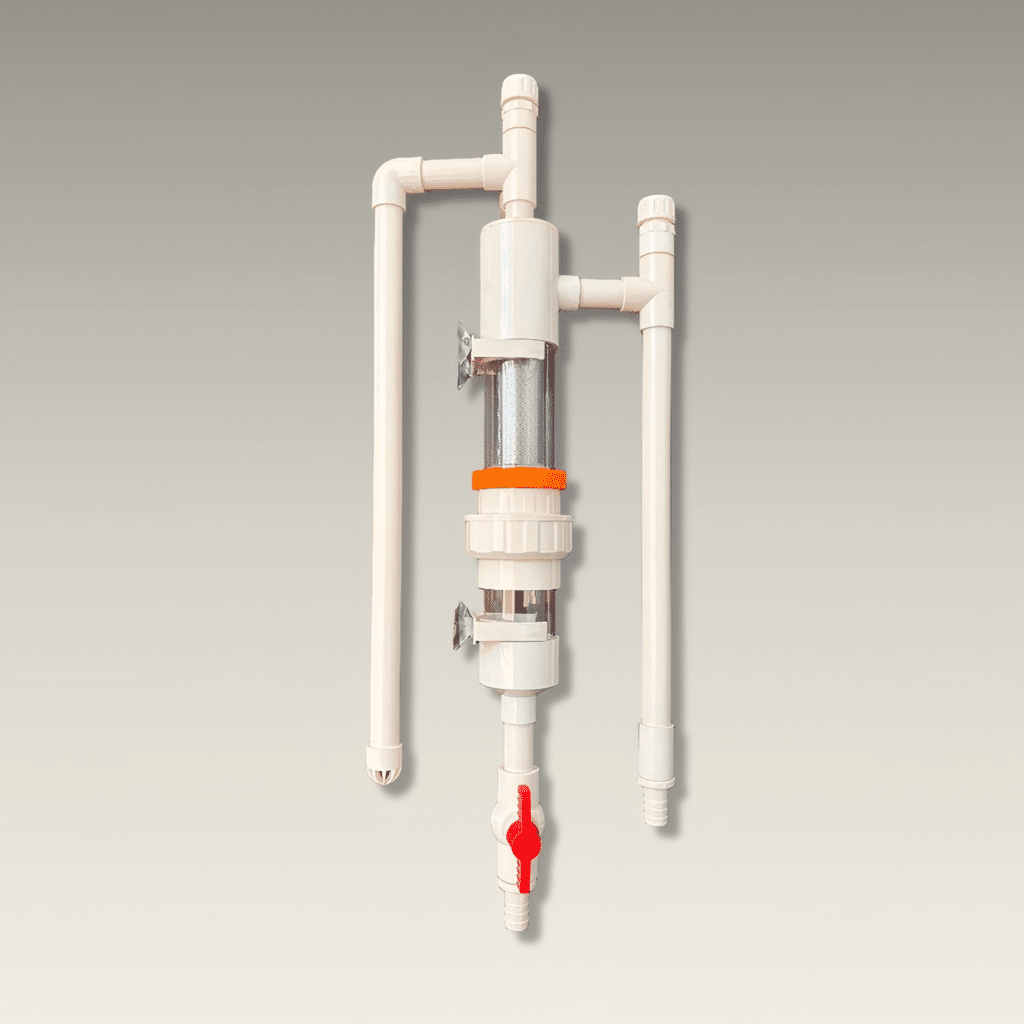
Aquarium Pre-Filter Comparison: 3 Setups Tested for 8 Weeks
We evaluated each setup using four practical criteria: clog resistance, routine cleaning time, flow stability, and suitability for heavy-bioload tanks. The comparison focuses on everyday maintenance rather than filtration capacity alone, because a powerful canister can still lose flow when waste builds up around the intake.
Advanced aquarists demand zero-maintenance solutions designed for messy fish and heavy bioloads. We ran all three setups on a heavily stocked 120-gallon Oscar tank for 8 weeks to evaluate real-world clogging rates and maintenance time. Here is our official ranking:
Winner: A&Aqua Pro Magnetic Pre-Filter 1″(25mm) / 3/4″(20mm)
- Why it wins: This heavy-duty, sponge-less aquarium filter traps massive waste externally without ever restricting your system.
- The Structural Advantage: Unlike generic add-ons, this unit is engineered with a significantly larger pipe diameter. This ensures maximum water flow and absolutely zero flow restriction for your expensive pump.
- The 3-Second Clean: You can flush the heavy sludge directly into a bucket in just 3 seconds by sliding the external magnet. Zero disassembly, and you never touch dirty water. It is the ultimate upgrade for any serious tank.
If you are unfamiliar with this type of waste-separation system, see our guide to how a fish toilet filter works before comparing the three setups.
Ready to stop scrubbing sponges forever? 👇
Standard 20mm tank? Get the $42 version →
Runner-Up: Fluval FX6 + Inline Sponge Canister
- Estimated Cost: $350 – $450 (Canister + Inline Pre-filter add-on)
- The Verdict: The Fluval FX6 is an undeniable powerhouse, and pairing it with an inline sponge canister does significantly increase your overall water volume and mechanical filtration capacity. It is a highly effective setup for heavy bioloads.
- The Drawback: Despite the high price tag, this setup still relies on traditional filter floss. While it moves the initial waste collection outside your main filter, you are still forced to shut down your pump, disconnect messy hoses, and pry open a tight lid to hand-wash disgusting sponges every single week. It is powerful, but still a maintenance nightmare compared to a truly sponge-less system.
Not Recommended: Stainless Steel Intake Sponge
- Estimated Cost: $8 – $15
- The Verdict: These inexpensive stainless steel mesh guards are actually excellent—if your only goal is keeping tiny cherry shrimp or baby fry from getting sucked into your filter.
- The Drawback: For tanks with messy fish, these are an absolute disaster. The fine metal mesh has zero capacity to hold heavy waste and will completely clog with thick organic sludge within days. This drastically chokes your water flow, ruins your biological filtration, and forces your expensive pump to run dry, potentially burning out your motor from the strain.
Which Pre-Filter Setup Should You Choose?
A canister-only setup works well when your aquarium has a light bioload and the intake rarely collects visible solid waste. It requires no additional equipment, but the main filter must handle both mechanical waste capture and biological filtration.
By contrast, a sponge pre-filter is a practical choice when low upfront cost and fry protection are your main priorities. Sponge models are widely available and easy to replace, although they usually require squeezing and rinsing once the surface becomes clogged.
For aquariums that produce heavy solid waste, a magnetic pre-filter can remove debris before it reaches the main canister. This setup has a higher initial cost, but it is designed for faster routine waste removal with less direct handling of dirty filter media.
Which Size Fits Your Tank: 25mm vs 20mm
Choosing the right size is critical. A pre-filter that is too small will bottleneck your pump, while one that is correctly sized will keep your flow rate at 100%. Here is how to choose:
Pick 25mm (1″) if You Run an FX6, Pleco, or Oscar Tank
If you are running high-capacity pumps (like the Fluval FX4/FX6) or keeping messy “monster fish” (Plecos, Oscars, Arowanas, large Turtles), the Monster Edition is mandatory. The heavy-duty 25mm tubing ensures massive solid waste passes through easily without clogging, and the upgraded 1.0mm stainless steel mesh stands up to extreme suction.
Pick 20mm (3/4″) for Standard Community Tanks
If you have a 20 to 75-gallon setup with standard canister filters (like Oase, Eheim, or Fluval 07 series), the Standard Edition is your perfect match. It fits 16mm (5/8″), 18mm, and 20mm (3/4″) hoses out of the box with zero modifications required. It is ideal for Goldfish, Cichlids, and planted tanks.
⚡ Ready to upgrade? Secure your setup now:
30-day returns · Ships from US in 24-48h · Lifetime install support
Why a Larger Canister May Not Solve Intake Clogging
A larger canister can provide more media capacity, but it does not prevent fish waste, uneaten food, and plant debris from entering the intake line. When the real problem is frequent mechanical clogging, improving waste capture before the main filter is often more practical than replacing the entire filtration system.
Finding a reliable upgrade is no longer a luxury; it is the smartest decision any serious fish keeper can make. Many hobbyists spend a fortune on high-end pumps, yet they forget one brutal truth: even the most powerful motor will eventually clog.
Traditional foam setups struggle constantly with heavy waste from messy tanks. This thick organic sludge destroys your motor’s impeller, drastically lowers water flow, and ruins your biological filtration long before it reaches your main canister. To stop aquarium filter clogging permanently, you must intercept physical debris externally. A reliable upgrade prevents this massive organic buildup and completely automates your chores.
The Filter Pad Myth: How Often Should You Really Change Them?
As frequently discussed by heavy-bioload keepers on MonsterFishKeepers and Reddit, even the most powerful motor will eventually clog if you rely solely on internal sponges.
Exactly how often to change aquarium filter pads is a question that plagues many beginners. Generally, manufacturers tell you to replace them every two to four weeks. However, the direct engineering answer is completely different. If you engineer your plumbing correctly, you should rarely buy consumable pads.
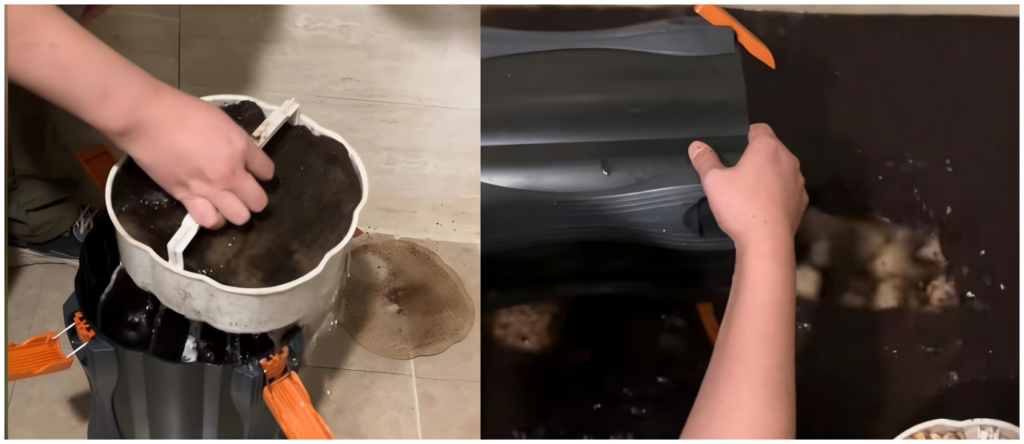
We will explain the fluid dynamics of filter media degradation today. We’ll also show you how to stop wasting money permanently. You will discover the ultimate aquarium filter floss alternative.
⚠️ The Scam of Traditional Aquarium Filter Maintenance
White filter floss traps fine particles well at first, then compresses under a heavy biological load. The microscopic pores seal shut within days — messy cichlids will destroy a standard pad in under 96 hours. Friction loss spikes, and your canister loses up to 50% of its rated flow. Buying replacements treats the symptom, not the cause.
📊 Diagnose Your System Before You Replace Filter Floss
Before you ask how often to change aquarium filter pads again, you must evaluate your system. You need to calculate the actual backpressure causing your flow rate to drop.
before you replace filter floss, use our Ultimate 5D Filtration Assessment Tool below to check your fluid dynamics:
Ultimate Filtration Assessment
Configure your parameters below for a comprehensive 5D evaluation of your system's fluid dynamics and bioload capacity.
Diagnostic Report
(Note: If the tool indicates high backpressure, buying new sponges will not solve your canister filter flow drops.)
🛡️ The Ultimate Fix: The Monster Edition 25mm Pre-Filter
Hobbyists call this style of unit a “fish toilet” — if the term is new to you, here is how the design actually works.
If you keep massive fish, you must abandon traditional mechanical media entirely. You will never have to search for how often to change aquarium filter pads once you upgrade your system to the 25mm Aquarium Pre-Filter | Monster Edition Fish Toilet.
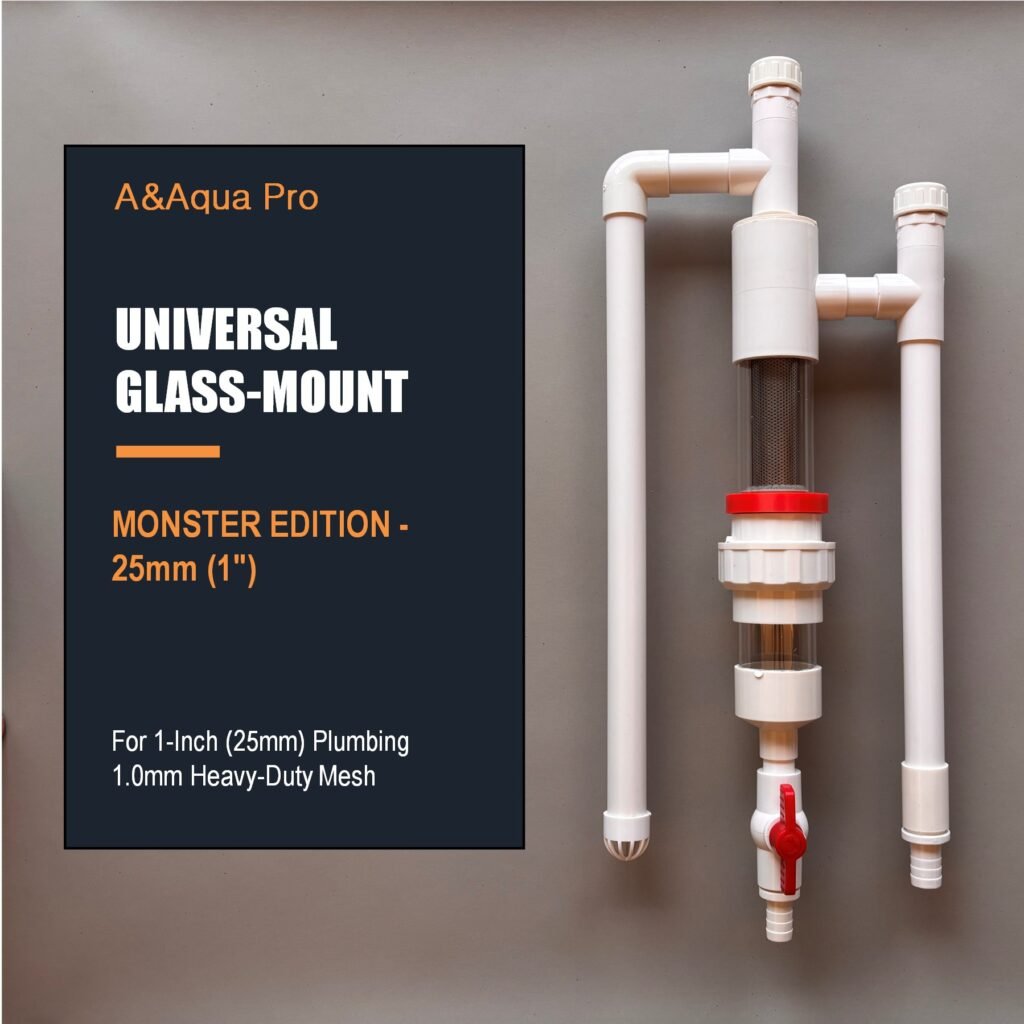
This heavy-duty interceptor handles extreme flow rates effortlessly. It does not require any internal filter media. You will never buy another replacement sponge, revolutionizing your aquarium filter maintenance. The unit relies purely on a marine-grade stainless steel mesh. This zero-resistance mesh intercepts thick waste instantly without restricting your pump.
Because it utilizes a modular 2-piece design for the 60cm intake, it fits deep tanks perfectly while saving shipping costs. Finally, you slide the magnetic ring to flush the sludge. Instead of constantly stressing over water test kits or needing to check your aquarium TDS levels every few days, you achieve a lifetime of crystal-clear water without ongoing consumable costs.
What About Standard Setups? (20mm)
Alternatively, you might run a standard-sized tank. In this case, our A&Aqua Pro 20mm Magnetic Fish Toilet is the perfect solution.
By utilizing a standard PVC pipe connection rather than leak-prone flexible hoses, this setup guarantees a rigid, hydraulically smooth interface. Furthermore, it intercepts waste instantly before it ever reaches your main canister.
🏁 Final Verdict for Messy Tanks
Overall, this aquarium pre-filter comparison shows that maintenance access can matter as much as filter capacity. Canister-only setups remain suitable for lighter waste loads, sponge pre-filters offer an economical solution, and magnetic pre-filters are better suited to aquariums where fast solid-waste removal is the main priority.
In conclusion, stop asking how often to change aquarium filter pads. Stop throwing your money away on disposable floss. Implement a permanent physical extraction system today. You will maximize your pump efficiency, protect your water quality, and take your weekend back.
The fastest way to eliminate ammonia spikes is to remove physical waste BEFORE it dissolves. The 3-second flush of the Magnetic Pre-Filter ensures toxins never reach your biological media.
Best Aquarium Filter Setup for Large Sumps and Koi Tanks
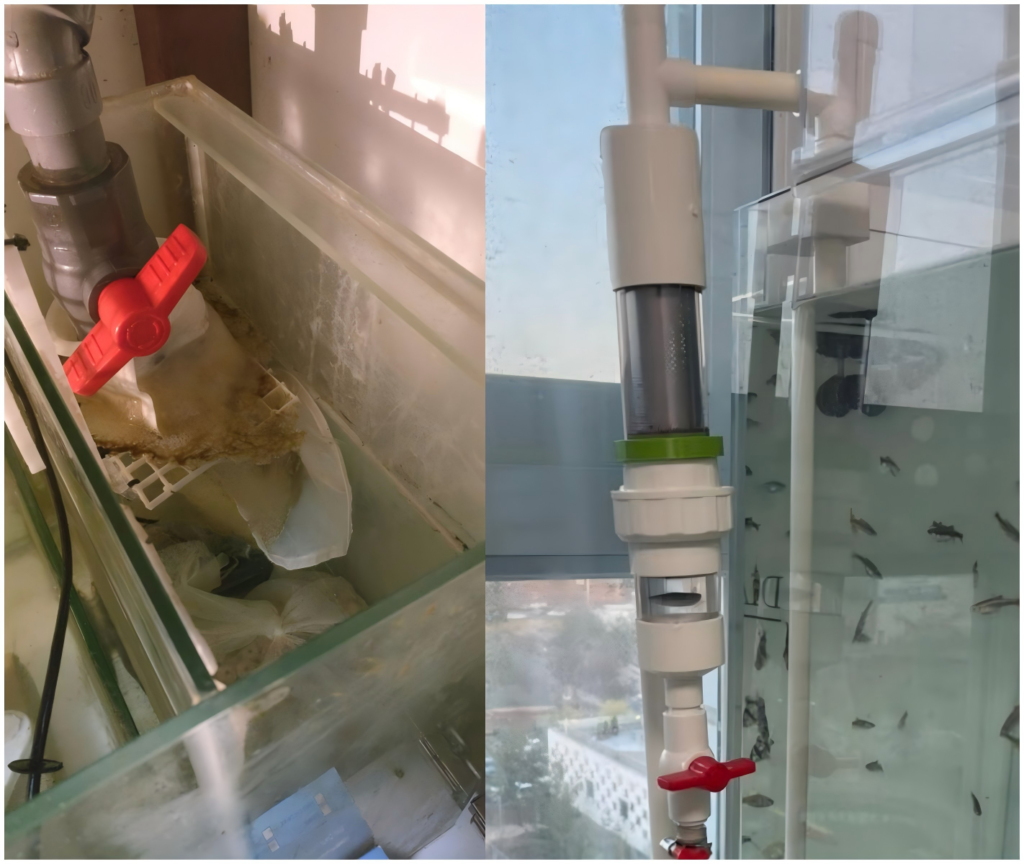
Optimizing your aquarium sump setup is crucial for advanced hobbyists running large aquatic systems. Massive overflow setups accumulate dense organic matter quickly, turning into thick sludge at the bottom chambers if you don’t intercept it externally.
The 3-Step Strategy for Large Overflow Systems
To prevent overflow clogs and keep massive return pumps running at peak efficiency, high-bioload systems require a specialized 3-step isolation strategy:
1. External Pre-Filter Interception: Large overflow systems and koi ponds push massive water volumes. Instead of letting raw waste flow directly down into your filter socks or sump chambers—where it breaks down into toxic nitrates—an inline pre-filter traps solid waste right on the main overflow line before it enters the sump.
2. 25mm Full-Flow Pipe Matching: If you restrict a high-capacity pump (like an FX6 or large return pump) with undersized 3/4-inch plumbing, your impeller will cavitate and lose performance. Upgrading to a heavy-duty 25mm (1-inch) intake path ensures massive solid waste passes through freely with absolute zero flow restriction.
3. The 3-Second Maintenance Routine: Traditional filter socks and sponges require messy weekly washing. With an accessible external pre-filter, your maintenance drops to a 3-second routine: just slide the external magnetic ring down to purge trapped sludge directly into a bucket through the bottom drain valve, keeping your hands completely dry.
FAQ: Pre-Filter Upgrades in 2026
The best aquarium filter setup for heavy bioloads in 2026 is a standard canister filter paired with a magnetic pre-filter. Instead of just buying a larger pump, adding a pre-filter traps solid waste externally, preventing your biological media from clogging and reducing maintenance to seconds.
No, a new canister filter will not stop your tank from clogging if you have messy fish. Larger canisters only provide more media capacity, but solid waste will still quickly choke the internal sponges. You must intercept the physical debris before it reaches the main canister.
You need the 25mm (1″) Monster Edition if you run high-flow pumps like the Fluval FX6 or keep large fish like Plecos. For standard 20 to 75-gallon community tanks using standard canister filters, the 20mm (3/4″) Standard Edition will fit perfectly without modifications.
No, a properly sized magnetic pre-filter will actually maintain your flow rate at 100%. By trapping sludge before it enters your main filter, it prevents the severe flow drops caused by clogged sponges, ensuring your pump operates efficiently and unrestricted at all times.
Yes, the 25mm Monster Edition magnetic pre-filter is fully compatible with the Fluval FX6. Its heavy-duty 1-inch pipe diameter is specifically engineered to handle the massive water output of FX-series pumps without causing any bottlenecks or stress to the motor.
You should flush your magnetic pre-filter every 3 to 7 days, depending on your tank’s bioload. The cleaning process takes exactly 3 seconds—simply slide the external magnetic ring down to purge the trapped sludge through the bottom valve without ever getting your hands wet.
Choose the Right Pre-Filter Size for Your Tank
You don’t need to rebuild your entire plumbing to achieve crystal-clear water. By installing the best canister pre-filter on your intake line today, you instantly protect your expensive equipment and gain back your free time. Stop wasting money on replacing burnt-out pumps and spending hours scrubbing slimy filter media. Pair your current system with our magnetic pre-filter to create the ultimate low-maintenance setup possible.
Enjoy absolute peace of mind with our reliable global logistics, direct US shipping, and dedicated installation support.
Once you have selected the most suitable pre-filter type, match the connection size to your existing intake line. Use the 20mm option for compatible standard aquarium plumbing, or choose the 25mm Monster Edition for larger systems and higher-flow filtration setups.
⚡ Choose your size and secure your setup now:
Finally a pre-filter that doesn’t use dirty sponges! Just ordered one from your store. The idea of cleaning it in 3 seconds without getting my hands wet sold me immediately.
Thanks for the support, Sarah! We know you’re going to love it. Your hands will definitely thank you this weekend. Let us know how your tank looks once you get it running!
I have seen plenty of gadgets like this promised for my turtle tank, but claiming a 3-second hands-free flush sounds a bit hyped up; does it actually handle the heavy waste without eventually choking the flow rate, or am I just going to be scrubbing it out manually every week anyway?
We understand your skepticism, Kevin, but the device is specifically designed with a sponge-less system to ensure zero flow restriction while providing a genuine 3-second hands-free flush, even with heavier waste loads. It is built to handle high-output tanks effectively, so you can spend less time scrubbing and more time enjoying your pets.
Great review. Quick question about the setup—do I need any special PVC plumbing to attach this to a standard canister filter hose? I’m running 16/22mm tubing on my current setup.
Hey AquaGeek88, no special plumbing needed at all! The A&Aqua Pro comes with standard barb fittings that perfectly fit 16/22mm (5/8″) tubing. You just cut your intake hose, slip it on, and secure it. It takes about 5 minutes to install right out of the box.
I’ve tried traditional sponge pre-filters on my 75-gallon turtle tank, and they clog in literally 3 days, reducing my Oase filter flow to a trickle. Does this magnetic toilet actually work for heavy turtle waste? It’s super messy.
Hi John! Turtle tanks are exactly why we built the sponge-less chamber. Traditional sponges choke your pump, but with our magnetic pre-filter, the heavy waste just drops to the bottom collection zone. Your Oase filter will maintain 100% flow, and when the pre-filter is full, you just slide the external magnet to flush it. It’s an absolute game-changer for turtle setups!