TL;DR: The Ultimate Conclusion If your high-end canister filter flow drops within weeks, the problem isn’t your pump—it’s the massive biological load of physical waste (like Pleco or cichlid poop) overwhelming your mechanical media. Traditional intake sponges just move the mess to the inside of your tank, requiring daily hand-squeezing. The most permanent, zero-maintenance solution when your canister filter flow drops is upgrading to a smart external magnetic fish toilet pre-filter. This intercepts heavy solids before they reach your motor, allowing you to flush the sludge in exactly 3 seconds without ever opening your canister.
The Reality Behind Why Your Canister Filter Flow Drops
We see this exact frustration echoed across aquarium forums and Reddit daily. When a canister filter flow drops to a sad trickle after just 10 days, the nightmare begins. Opening it up takes 45 minutes, the bathroom smells like a swamp, and squeezing out those brown sludge-filled sponges makes aquarists want to quit the hobby.
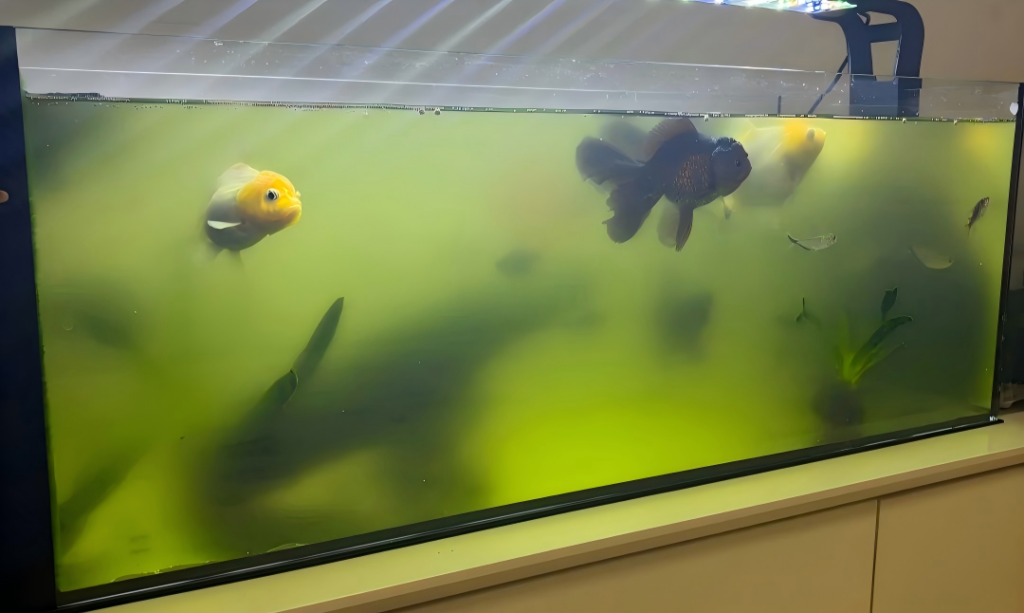
When you keep messy monsters—like Plecos, Oscars, large Goldfish, or Turtles—they produce thick, woody, and heavy feces. When this massive debris gets sucked directly into your main filter, it immediately blankets your coarse sponges. Once the first layer is sealed by sludge, your pump struggles to pull water through, and your canister filter flow drops instantly.
Worse, when you finally crack open the filter to clean it, you risk washing away your beneficial bacteria, often triggering a deadly ammonia spike the very next day. You need a strategy to separate the physical waste from the biological media.
5 Solutions to Fix a Canister Filter Clogged With Waste
1. Optimize Your Internal Media Stacking
Many aquarists load their filters incorrectly. Water must pass through mechanical filtration (sponges) before it hits biological media. If your bio-media is getting covered in brown sludge, it suffocates the bacteria, causing a canister filter clogged with slime. Ensure your water flow hits coarse sponges first, leaving the bio-media pristine at the end of the cycle.
2. Adjust Diet and Feeding Habits
Heavy waste often comes from overfeeding or low-quality diets with excessive fillers. Switch to high-quality, easily digestible pellets. For Plecostomus, while they constantly graze on natural driftwood, ensure you are not leaving excess algae wafers rotting at the bottom of the tank.
3. The Flawed “Intake Sponge” Hack
A common piece of advice when your canister filter flow drops is to slip a pre-filter sponge over your intake tube inside the tank. While this successfully keeps poop out of the canister, you now have an ugly, poop-covered sponge sitting inside your beautiful aquascape. Furthermore, you have to reach your bare hands into the tank every 2 to 3 days to squeeze it out. It is a temporary band-aid, not a cure for a pleco filter clogged with waste.
4. Improve Tank Circulation (Wavemakers)
Adding a small wavemaker can keep heavy debris suspended in the water column long enough for the filter intake to grab it. However, this simply pushes the problem into the canister faster, accelerating the clogging process and explaining why your canister filter flow drops so aggressively if you don’t have proper pre-filtration.
5. The Ultimate Fix: External Magnetic Pre-Filtration
To truly stop scrubbing disgusting canister filters, you must intercept the heavy waste outside the tank, but before it reaches the main pump.
This is where a magnetic aquarium filter acts as an absolute game-changer. Installed inline on your intake hose, it functions as a powerful fish waste extractor.
- How it works: Solid waste sinks into a clear bottom collection chamber. The water, now free of heavy sludge, continues to your main canister filter, ensuring your canister filter flow drops no more.
- The 3-Second Clean: When the chamber fills with sludge, simply slide the external magnetic ring up and down to scrub the internal stainless-steel mesh. Then, open the bottom drain valve. The sludge flushes away into a bucket in 3 seconds.
Preventing a Canister Filter Clogged Scenario: Pre-Filter Comparison
| Pre-Filter Method | Maintenance Effort | Visual Impact on Tank | Prevents Your Canister Filter Flow Drops? | Disassembly Required? |
| Internal Intake Sponge | High (Every 2-3 days) | Ugly (Brown sponge in tank) | Temporarily (Sponge clogs fast) | Yes (Must put hands in tank) |
| Filter Socks (In Sump) | High (Washing machine needed) | Hidden (In cabinet) | Yes (But sump required) | Yes (Must remove and wash) |
| Magnetic Fish Toilet Pre-Filter | Zero (3-second flush) | Clean/Hidden (Model A or B) | Yes (Maintains 100% stable flow) | No (Slide magnet to clean) |
FAQ: Troubleshooting When Your Canister Filter Flow Drops
Q: Will an external magnetic pre-filter reduce my flow rate? A: No, it actually protects it. By trapping the heavy sludge before it clogs your internal sponges, your pump maintains its peak performance. It is the best preventive tool for when a canister filter losing flow becomes a chronic issue. Just ensure your main canister has a minimum flow rate of 900 L/H (240 GPH) to provide enough suction.
Q: What should I do if my pleco filter clogged the internal mesh? A: You don’t need to open it! If you notice a canister filter clogged at the pre-filter stage, simply slide the external magnetic ring up and down a few times. This wipes the internal stainless-steel mesh clean and drops the debris into the flush chamber. Open the valve, and it’s completely cleared in 3 seconds.
Q: Will it fit my existing hoses? A: Yes. High-quality systems include universal adapters that fit 16mm (5/8″), 18mm, and 20mm (3/4″) tubing right out of the box, preventing any installation leaks when your canister filter flow drops and needs an immediate upgrade.